1 hr
Everglades After-Dark Airboat Adventure
- Entry ticket
- Mobile voucher
- Valid same day
- Free cancellation
Everglades at Night — After-Dark Access & Wildlife Viewing
Sawgrass fades to shadow, the marsh begins to speak.
Compare fares, pick the fit — all bookings are mobile-voucher and eligible for free cancellation where shown.
1 hr
2 hr 30 min
2 hr
Worth it for dark-sky and wildlife seekers
Visiting the everglades at night runs the same $35 seven-day vehicle pass you'd pay at midday, so the fee itself isn't the question — what that money buys after sunset is. Arrive in the 19:30–22:00 window and the sawgrass prairie shifts: alligator eyeshine along the sloughs, owls and nightjars working the hammocks, and some of the darkest skies in the eastern U.S. for stargazing. Crowds thin to almost nothing. The smart math is that the pass covers a full week of re-entry, so a night run paired with a daytime visit splits the cost across two very different experiences. Guided everglades at night tours cost extra on top of the pass, but self-driving Main Park Road is free once you're in. It pays off for astronomy buffs, wildlife watchers, and anyone chasing solitude; a one-and-done evening drive is thinner value than a paired day-and-night trip.
Bottom line: Buy everglades at night tickets as part of a paired day-and-night trip and the pass more than earns its $35.
Hand-picked experiences loved by thousands of travelers
1 hour
Free Cancellation
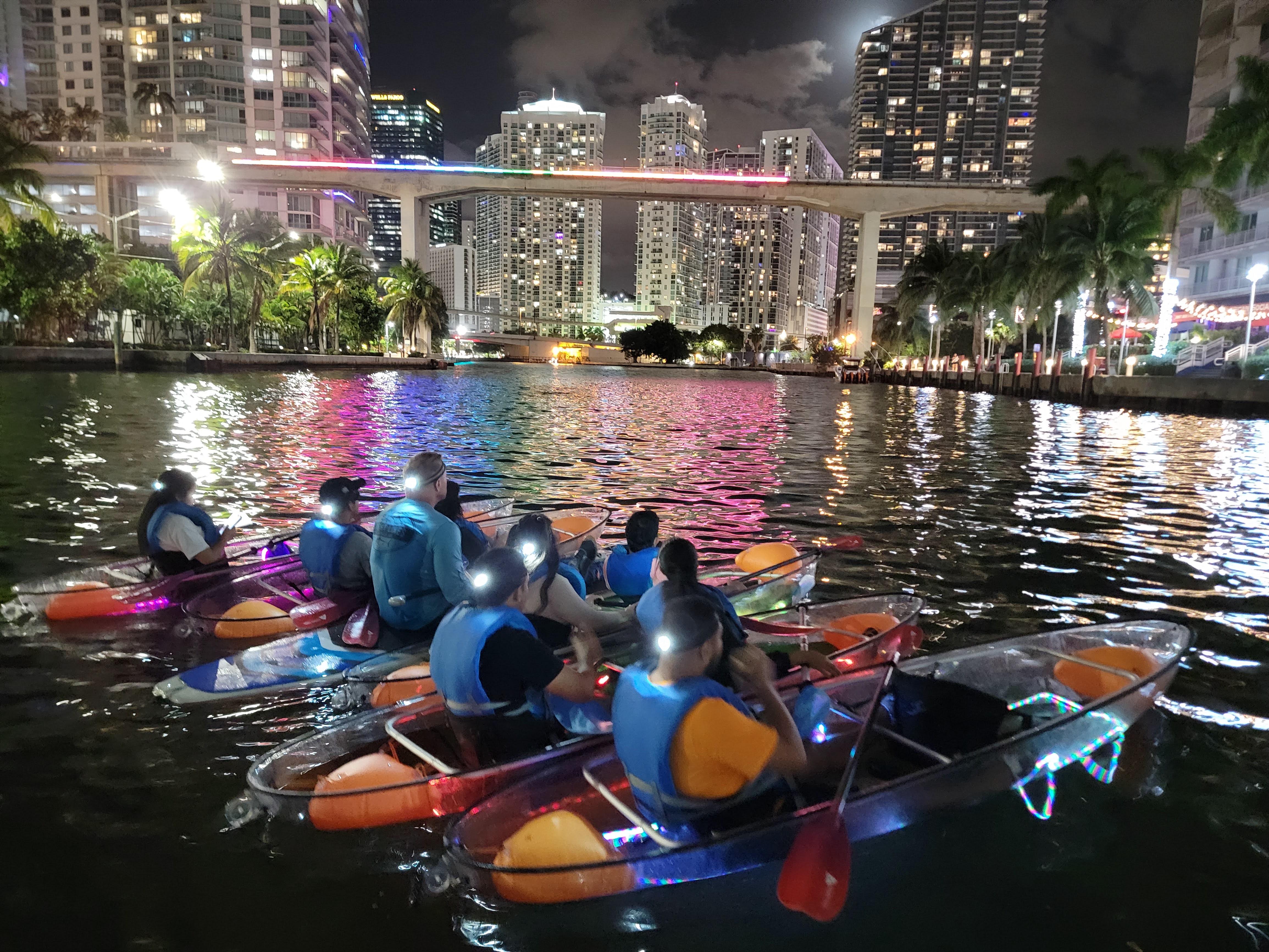
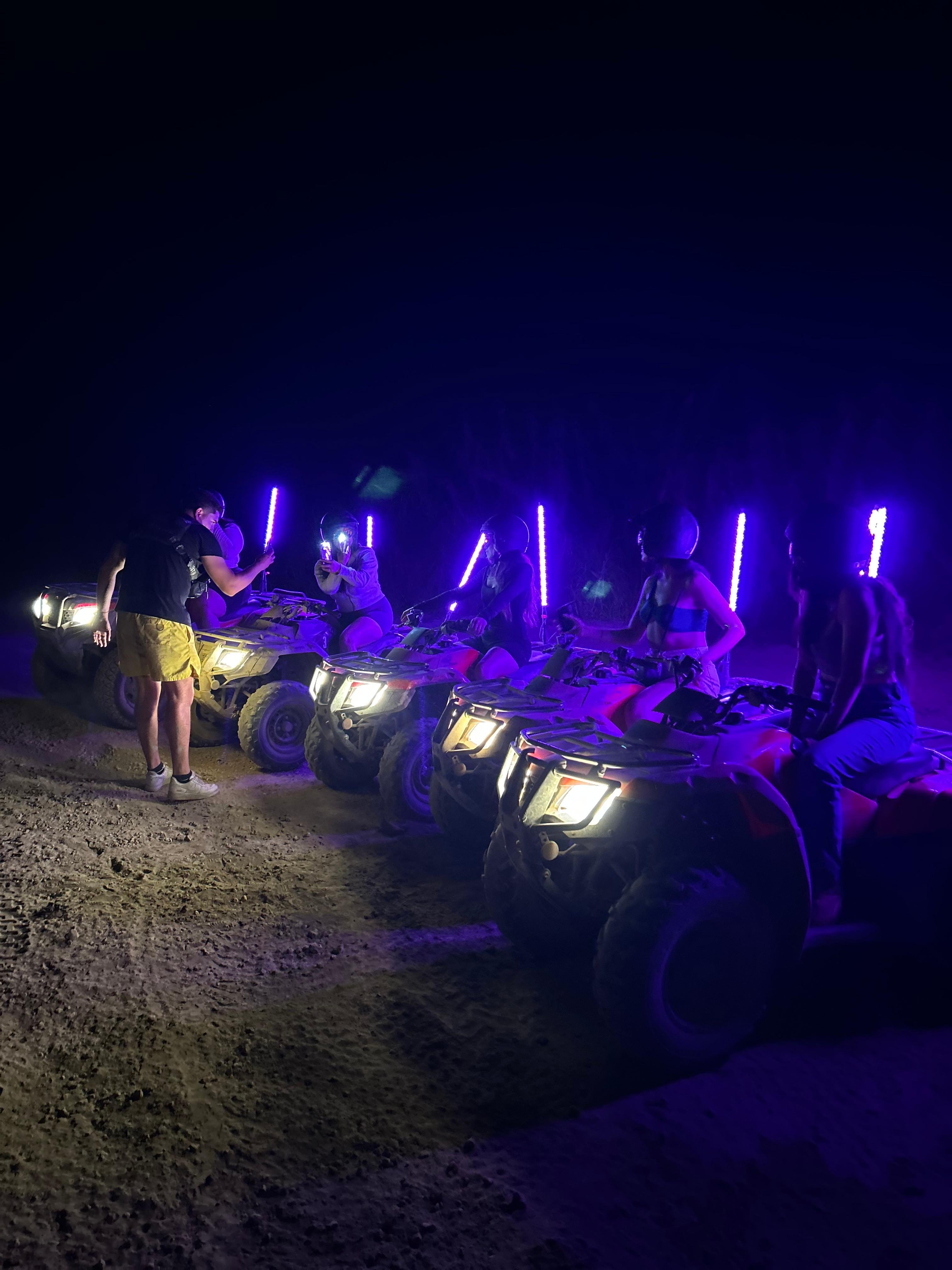
Navigate Miami’s hidden countryside trails after dark on this exhilarating, beginner-friendly glowing ATV tour.
4-5 hours
Free Cancellation
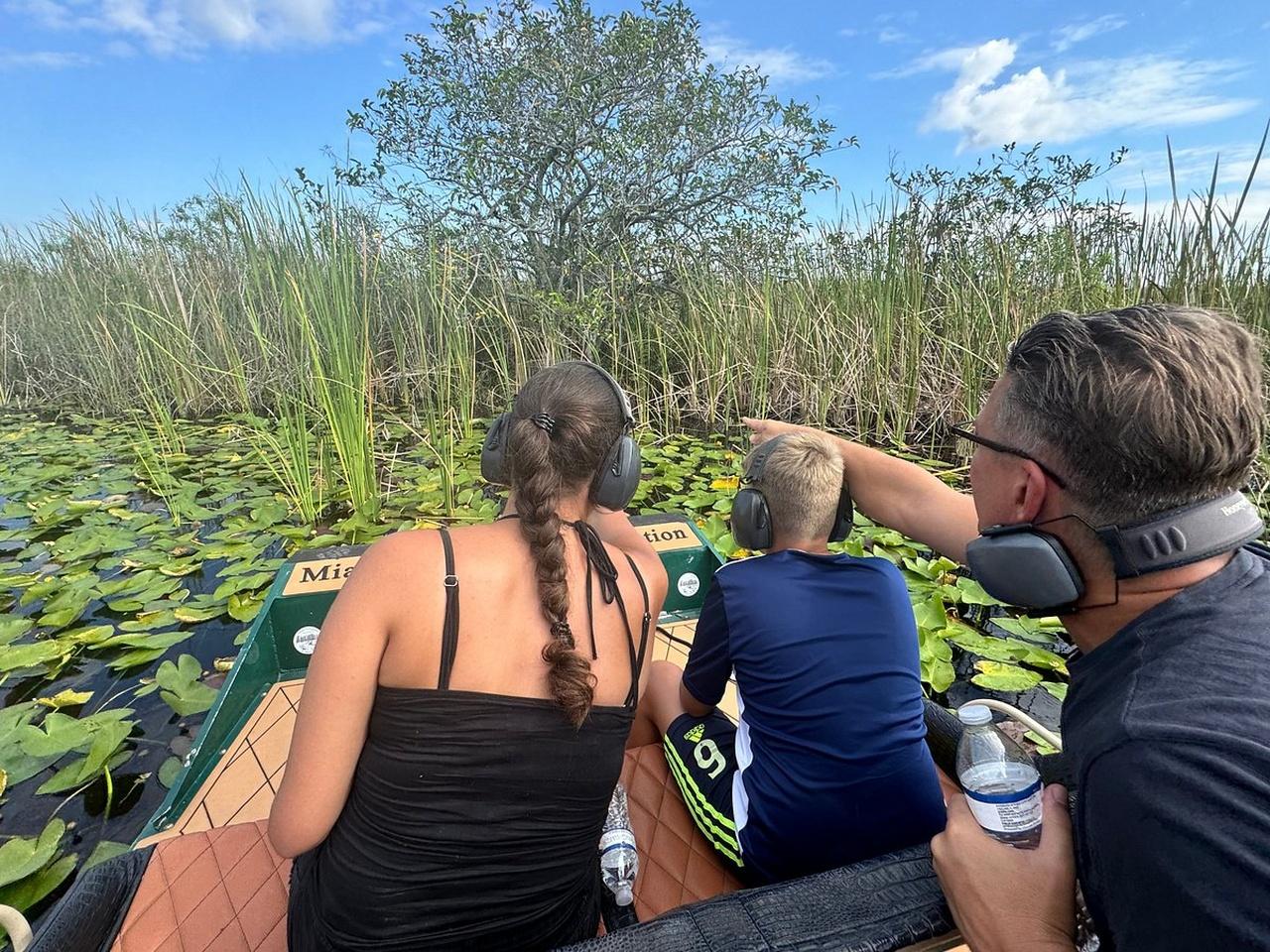
Experience an extended 60-minute airboat tour of the Florida Everglades with professional guides and premium van transport.
1 - 1.5 hours
Free Cancellation
Experience the untamed beauty of Florida’s wetlands on a high-speed airboat tour through Shingle Creek.
Fill up the tank and grab water and snacks in Homestead or Florida City before the gate, since nothing is sold inside after dark.
Pay the $35 vehicle pass at the Homestead main entrance, which stays staffed into the evening hours.
Pass the Ernest F. Coe Visitor Center for a last restroom break and to check posted ranger program times.
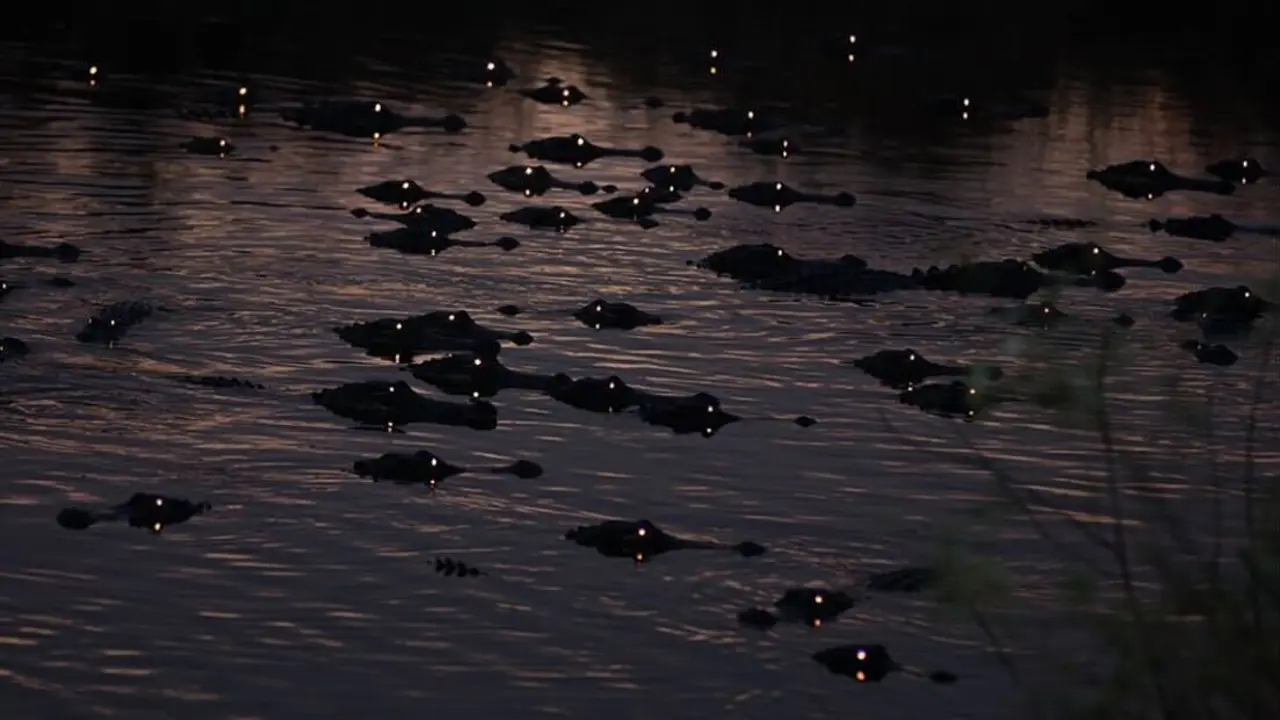
Walk the boardwalk at Royal Palm with a red-filtered flashlight, watching for alligator eye-shine and roosting birds.
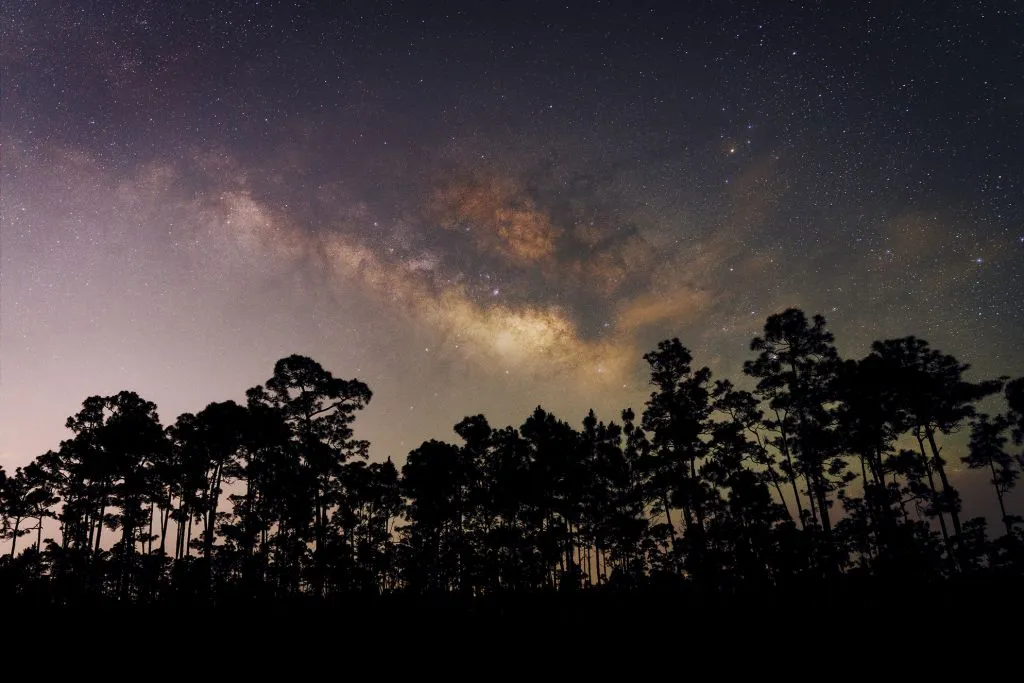
Park at a pull-off away from vehicle headlights to let eyes adjust and take in the Milky Way, since the park holds International Dark Sky Park status.
Head back out through the main gate, watching the roadway for crossing wildlife on the way.
A 0.8-mile round-trip boardwalk over Taylor Slough that becomes an entirely different place after sunset, when alligator eyes catch flashlight beams and owls replace the daytime wading birds. It is considered one of the most reliable spots in the park for close-up gator sightings at any hour.
A modest information station and bookstore that serves as the trailhead for both the Anhinga and Gumbo Limbo trails, marking the start point most night walkers use. It sits four miles past the Ernest F. Coe Visitor Center along the park's main road.
The main gateway building at the Homestead entrance, with an interactive gallery and a short orientation film that most evening visitors pass through before the light fades. It sits directly off State Road 9336 at the park boundary.
A shaded 0.4-mile paved loop through a subtropical hardwood hammock, offering cooler air and different nighttime sounds than the open sawgrass of the Anhinga boardwalk nearby. Its dense canopy makes it noticeably darker after dusk than the neighboring trail.
A Cold War-era missile installation completed in 1965 in direct response to the Cuban Missile Crisis, preserved with 22 original buildings including barracks and missile barns. It sits roughly 38 miles from the main entrance and is only open to the public on a seasonal schedule.
The southernmost developed area of the park, bordering Florida Bay, where minimal light pollution and International Dark Sky Park recognition make for some of the clearest Milky Way views in South Florida. The parking lot here draws stargazers year-round on clear, moonless nights.
You time your arrival for the window between 19:30 and 22:00, rolling through the main gate on State Road 9336 as the last light drains from the sawgrass. You keep your headlights low and your windows down, and the temperature shift is immediate — cooler air, thicker with insect hum and the wet-earth smell of the slough. You park at Royal Palm and step onto the Anhinga Trail boardwalk. You let your eyes adjust for a few minutes before switching on a flashlight, then sweep the beam low across the water. Pairs of red points glow back at you — alligators, holding still. You count six before you stop counting. Overhead, once you kill the light, the Milky Way spills across a sky with almost no interference. You walk slowly, pausing every twenty steps to listen. A barred owl answers another somewhere in the hammock. Frogs build and collapse in waves of sound. You linger at the open marsh, where the water mirrors the stars, then move on to the pineland pull-offs to scan for movement at the tree line. Before you leave, you stand still in the dark for one full minute without a light, letting the everglades at night settle around you. You drive out the way you came, the marsh still calling behind you.
All the details about your upcoming adventure in one place
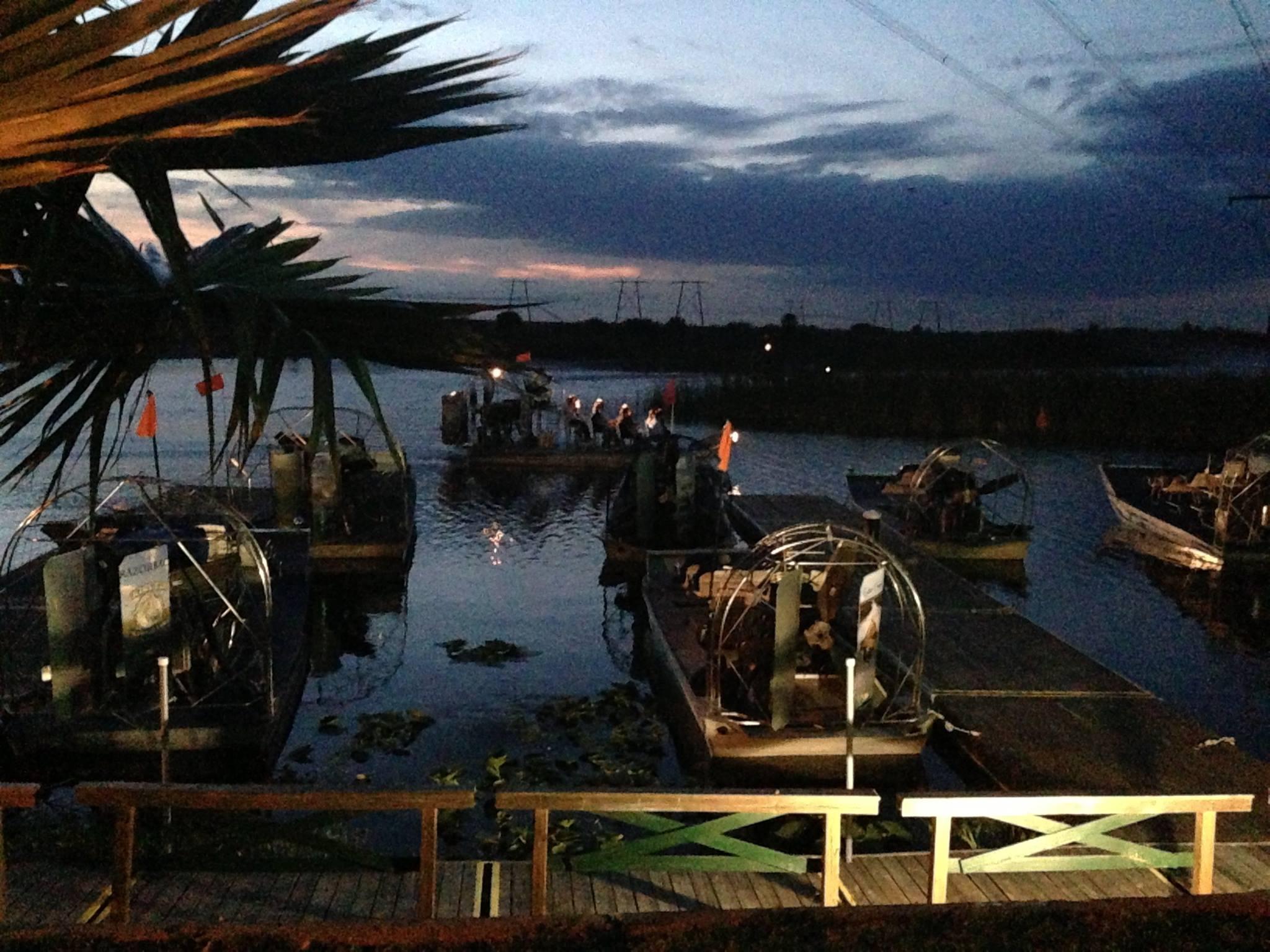
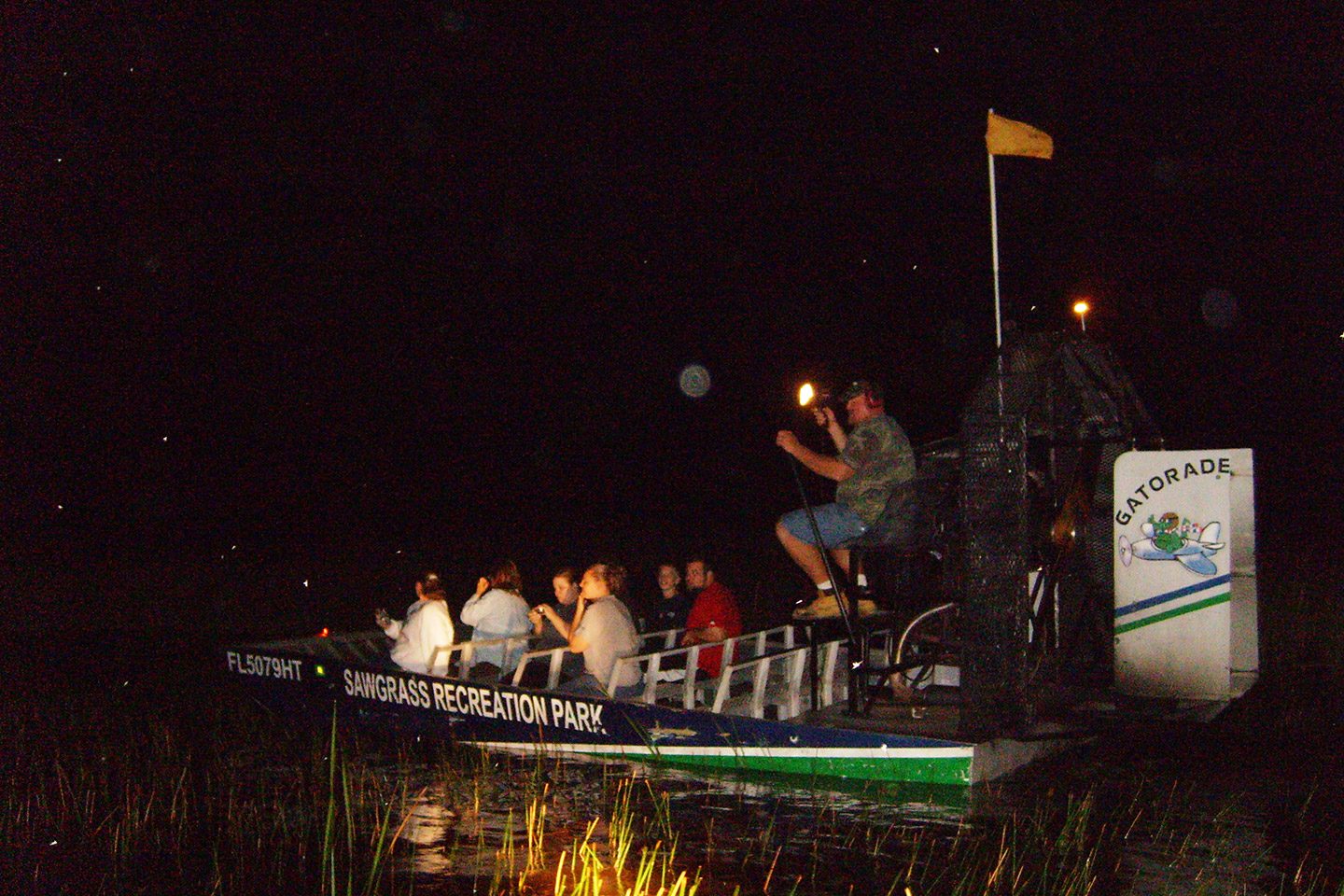
Once the sun drops below the sawgrass, the everglades at night reveals a wetland alive with alligator eyes glinting under spotlight, chorusing tree frogs, and wading birds settled in the mangroves. Guided everglades at night tours glide across the River of Grass with experienced naturalists who read the marsh, point out nocturnal wildlife, and share how this subtropical ecosystem shifts after dark. It's a quieter, cooler counterpoint to the daytime marsh, and a favorite for travelers chasing the sights and sounds of the Florida wetlands beyond the boardwalk.
Everglades National Park protects 1.5 million acres, yet it is the only place on Earth where American alligators and American crocodiles share the same water. That coexistence defines a landscape that reads very differently once the sun drops below the sawgrass horizon. The experience of the everglades at night belongs to a park most visitors only ever see under midday glare. The park was established in 1947, championed by writer Marjory Stoneman Douglas, whose book reframed the region not as a worthless swamp to be drained but as a living "river of grass" — a shallow sheet of freshwater creeping south from Lake Okeechobee toward Florida Bay. It was later designated a UNESCO World Heritage Site, an International Biosphere Reserve, and a Wetland of International Importance, a rare triple listing that signals its ecological weight. What makes the place matter after dark is not architecture but darkness itself. Far from Miami's glow, the interior holds some of the darkest skies in the eastern United States, and the park has hosted formal dark-sky and astronomy programming for years. Overhead, the Milky Way resolves cleanly; below, a different cast emerges. Barred owls call across the hammocks, alligator eyes glow red in a flashlight beam, and frogs, marsh rabbits, and the occasional bobcat move through the pinelands and cypress domes. Anhinga Trail, a short boardwalk over a slough, becomes a corridor of sound rather than sight. The ecosystems layered here — sawgrass prairie, mangrove estuary, tropical hardwood hammock, and slash-pine rockland — each shift character in the absence of light, which is why guided everglades at night tours concentrate on the boardwalks and pull-offs where wildlife gathers near open water. The park's flatness, rarely more than a few feet above sea level, means the sky dominates completely; there is no ridgeline to interrupt the horizon. Seen this way, the park is less a destination than a threshold between the seen and the sensed. The everglades de noche is quieter, closer, and more alive with movement than its daytime self, and an everglades at night tour trades panoramic vistas for a tighter, more intimate register of detail. This is the register that first-time visitors rarely anticipate: a wilderness that does not close at dusk but simply changes its language, revealing the nocturnal ecology that has always run beneath the bright, familiar surface of the river of grass.

The wilderness does not close at dusk; it simply changes its language.
Wear light-colored, long-sleeved shirts and long pants to guard against mosquitoes once the sun goes down, since insect activity spikes noticeably after dusk in the sawgrass marsh. Closed-toe shoes are recommended on the Anhinga Trail boardwalk even at night, and a light rain jacket is useful during the summer wet season.
There is no bag-check or security screening at the Homestead main gate; rangers collect the $35 vehicle fee and wave vehicles through. Keep dry bags for cameras and electronics, since humidity and occasional rain are constant on any Everglades at night outing, and lock valuables in the trunk at trailhead parking areas.
Personal photography and video are permitted throughout the park at no extra charge, including along the Anhinga Trail boardwalk after dark. Use a red-filtered flashlight or headlamp rather than white light or camera flash near water, since direct flash can startle alligators and disturb other nocturnal wildlife close to the boardwalk.
Children 15 and under enter free, and the flat, boardwalked Anhinga Trail near Royal Palm is a manageable option for families trying an everglades at night walk with younger kids. Bring a flashlight per child, stay close together on the boardwalk, and expect early bedtimes to clash with the recommended 19:30–22:00 arrival window.
The Anhinga Trail and the Royal Palm and Ernest F. Coe visitor center boardwalks are paved and wheelchair accessible, including after dark when lit by handheld lights only. Accessible parking is available at the Homestead main entrance, Royal Palm, and Flamingo, and service animals are welcome throughout the park.
There are no restaurants or food vendors open inside the park after dark; the nearest sit-down dining is back toward Homestead and Florida City. Pack water and snacks before heading in for the evening, since vending machines at the visitor centers close with staffed hours and are not reliably stocked at night.
Main gate always open, gate staff limited after dark
Open 24 hours daily at the main Homestead entrance, every day of the year
location
Car · 45-60 min from Miami · $35 vehicle pass covers entry
Drive south from Miami on Florida's Turnpike to Homestead, then follow signs to the Ernest F. Coe Visitor Center on State Road 9336; this is by far the most practical way to reach an everglades at night experience.
The $35 vehicle pass is a park entrance fee, not a bookable reservation, so it carries no cancellation terms and is non-refundable once paid at the gate. Third-party everglades at night tours booked through outside operators follow each operator's own refund window, typically 24 hours before departure.
Recommended time
2-3 hours
Arriving in the 19:30-22:00 window gives enough time for a slow wildlife walk near Royal Palm, a stretch of stargazing away from any lights, and a stop to listen for owls and frogs as the swamp wakes up. Add an hour if you're joining a ranger-led night walk or lingering for the Milky Way, and trim back to 90 minutes if you just want a quick everglades at night stop before heading out. Because the gate never closes, there's no ticket queue after dark, though the entrance booth itself may be unstaffed late, so keep proof of your pass on hand. The deeper into the night you go, the fewer headlights and voices you'll share the road with.
Crowd levels through the day
Weather · crowds · average price — dots go green to amber to red as each metric rises.
Dry season brings cooler, less humid nights and the heaviest wildlife concentration at gator holes since water levels drop elsewhere. This is the most popular season, so evening parking at Royal Palm fills faster on weekends.
Standard white flashlights and camera flashes startle nocturnal animals and ruin others' night-sky views; a red filter or red-mode headlamp preserves everyone's night vision.
40001 State Road 9336, Homestead, FL 33034
Main information point and last restroom stop before entering deeper into the park at night
Get directions4 miles west of Ernest F. Coe Visitor Center on Route 9336
Trailhead for the Anhinga Trail, the most popular after-dark walk
Get directionsThe land now traversed by everglades at night tours was once marked for erasure. In 1905, Governor Napoleon Bonaparte Broward launched a drainage campaign, cutting canals to convert the River of Grass into farmland. Dredges carved the Miami and North New River canals through limestone. Water levels fell. Soil oxidized. Fires burned the drying peat. One man resisted. Ernest F. Coe, a landscape architect who arrived in Florida in 1925, founded the Everglades Tropical National Park Association in 1928. His maps proposed a preserve far larger than what was finally approved. Congress authorized the park in 1934, though funding lagged for years. Coe, later called the park's father, watched much of his vision shrink. On December 6, 1947, President Harry Truman dedicated Everglades National Park at Everglades City, framing it as a sanctuary of the imagination rather than mountains or canyons. That same year, Marjory Stoneman Douglas published The Everglades: River of Grass. Her opening line — "There are no other Everglades in the world" — reframed the swamp as a living river worth defending. Her advocacy stretched into her second century, ending only with her death in 1998 at 108. The wilderness that shelters wildlife during an everglades at night tour owes much to her insistence that flowing water, not real estate, defined this place. By the 1990s, decades of diversion had cut water flow and collapsed wading-bird populations. Congress answered in 2000 with the Comprehensive Everglades Restoration Plan, a multi-decade, multi-billion-dollar effort to redirect water southward. That restoration protects the darkness itself. In 2016, the surrounding region earned recognition for its exceptionally dark skies, making stargazing part of the appeal. Anyone booking everglades at night tickets today walks ground that engineers once meant to drain. The nocturnal soundscape — alligator bellows, barred owls, the whir of insects — survives because a landscape architect, a journalist, and a restoration statute each refused to let the water table fall. What guided-tour visitors witness after dark is the outcome of a century-long argument over whether wilderness has value.
Governor Broward began draining the Everglades for farmland with canal dredging.
Ernest F. Coe founded the association that would campaign for a national park.
Congress authorized Everglades National Park, though funding stalled for years.
Truman dedicated the park in December and Douglas published River of Grass.
Marjory Stoneman Douglas died at 108 after decades of Everglades advocacy.
Congress approved the Comprehensive Everglades Restoration Plan to restore water flow.
The surrounding region gained recognition for its exceptionally dark night skies.
Climb the 65-foot concrete tower for a 360-degree horizon with almost no light pollution, ideal for star trails over the sawgrass; set up a tripod on the top deck and point due south for the darkest sky. Reaching it requires the 15-mile loop by bike, tram, or a long walk in from the closed gate.
Kayak or stand at the launch dock and scan the water with a headlamp for the red glow of alligator eyeshine, then switch to a long exposure to capture reflections of the tree islands on the still surface. Anyone booking everglades at night tours often stops here first since gators and crocodiles share the same marl prairie.
The elevated boardwalk platform faces west over the open river of grass, giving an unobstructed line for twilight star fields once the last color drains from the sky. Framing works best low and wide, with a dead snag or sawgrass clump anchoring the foreground.
Walk the quarter-mile loop with a red-light headlamp and long lens ready for barred owls, whose eyeshine and silhouette show up well against the canopy gaps. The dense hardwood hammock blocks sky views, so this spot suits wildlife frames rather than astrophotography.
The paved boardwalk over Taylor Slough puts alligators and wading birds within a few feet of the rail, and a flashlight swept low across the water reveals rows of eyeshine near the lily pads. It's one of the most accessible everglades at night stops since it sits right off the main park road near Royal Palm.
Real experiences from real travelers
The everglades at night tour was the highlight of our Florida trip, with our guide sweeping a spotlight over the water to reveal dozens of red alligator eyes just feet from the boat. The air was thick and warm even after sunset, and the frog chorus got louder the deeper we went. Bring bug spray.
We booked one of the everglades at night tours leaving from near Homestead and the airboat engine was louder than I expected, so I was glad they handed out ear protection. Once the boat cut its motor the wetland went completely silent except for insects, and the guide let us drift under the stars. The mosquitoes were relentless.
Drifting through the sawgrass after dark felt like another planet, with the Milky Way overhead and the water perfectly still. Our naturalist knew every call and pointed out barred owls and a raccoon at the shoreline. The everglades at night has a stillness you never get on a daytime trip.
Skip the midday heat and come for the evening instead. The temperature dropped, the wildlife came out, and our guide on the everglades at night tour spotted a large gator sliding off a mud bank near the boardwalk. Wear closed shoes for the short swamp walk afterward.
Our guided everglades tour after dark delivered on wildlife, from tree frogs on the railing to a family of alligators near the reeds. The blue hour light over the marsh was worth the drive alone. It rained briefly so pack a light poncho.
We reserved everglades at night tickets online and were glad we did since the small boat filled up. Cypress silhouettes against the deep dusk sky made the whole ride feel cinematic, and the guide balanced facts with quiet moments. Sensory overload in the best way.
The chorus of frogs across the wetland after sunset was something I still think about, and the guide killed the engine so we could just listen. Cool night air off the water made it comfortable compared to the daytime swelter. One of the Everglades landmarks I would return to.
December evenings on the marsh got cooler than we planned for, so a light jacket helped. The everglades at night still felt alive with distant gator bellows and the spotlight catching herons at the edge. Our guide was patient with questions from the kids.
The black water was so still it doubled the stars above the sawgrass, and the airboat wake fanned out in silver ripples. Booking an evening slot for the Everglades swamp tour meant fewer crowds and far more wildlife. A quiet, moody experience end to end.
Our evening excursion across the wetland turned up alligators, wading birds, and a sky full of stars once we left the light pollution behind. The guide handed out flashlights and taught us to spot eye-shine along the reeds. Warm, humid, and completely worth the late start.
Everything you need to know for your journey
The Homestead main entrance to Everglades National Park stays open 24 hours a day, every day of the year, so there is no separate opening time for an evening visit.
Yes, standard entry is a $35 per-vehicle fee that covers seven consecutive days at all park entrances, including any evening or nighttime return visits within that window.
The recommended arrival window for everglades at night viewing is 19:30 to 22:00, after sunset, when nocturnal wildlife becomes active, the sky darkens for stargazing, and daytime crowds have thinned out.
The Anhinga Trail boardwalk and the paths around Royal Palm and Ernest F. Coe visitor centers are paved and wheelchair accessible, though lighting is limited to what visitors bring themselves after dark.
Drones without a permit, fireworks, firearm discharge, off-trail driving, and feeding wildlife are all prohibited throughout the park, day or night.
Leashed pets are welcome in parking areas and along park roads but are not permitted on trails or boardwalks such as the Anhinga Trail, with service animals as the only exception.
Personal photography is allowed at no extra cost throughout the park, but a red-filtered flashlight is recommended over camera flash near the water to avoid disturbing alligators and other wildlife on an everglades at night walk.
Light, long-sleeved clothing and long pants are recommended to manage mosquitoes after dusk, along with closed-toe shoes for the boardwalk sections.
No, there are no food vendors or restaurants operating inside the park after visitor-center hours, so pack water and snacks before heading out for an everglades at night tour.
A personal vehicle is the most practical way in, since rideshare drivers rarely wait in the area after dark; arranging a round-trip car service in advance is the best alternative for those without one.
Yes, children 15 and under enter free, and the flat Anhinga Trail boardwalk is a manageable option for families trying an evening walk with kids, provided everyone carries a flashlight and stays together.
A daytime stop at the Ernest F. Coe or Royal Palm visitor centers, the Gumbo Limbo Trail, or the seasonal HM-69 Nike Missile Base pairs well with an evening return for stargazing or a nighttime walk.
A 0.8-mile round-trip boardwalk over Taylor Slough known for close-up alligator and wading-bird sightings, especially active at dusk.
A small information station and bookstore marking the trailhead for the Anhinga and Gumbo Limbo trails.
A shaded 0.4-mile paved loop through a subtropical hardwood hammock, a cooler contrast to the open Anhinga boardwalk.
A preserved 1965 Cold War-era missile site with 22 buildings, open to the public seasonally with ranger and volunteer talks.
A longtime fruit stand and roadside stop known for tropical milkshakes, a common pre- or post-park pit stop.
Chain hotels and motels cluster along US-1 in Homestead, the most convenient base for an evening trip into the park.
A concentration of budget motels and RV parks close to the turnpike, popular with early or late park visitors.
The only lodging inside Everglades National Park itself, with eco-tents and cabins near Florida Bay for those wanting a night deep in the park.
A wide range of upscale hotels for visitors combining an Everglades evening with a Miami base.
Join thousands of happy travelers who have discovered this incredible experience
Book Your Experience Now