1 hr
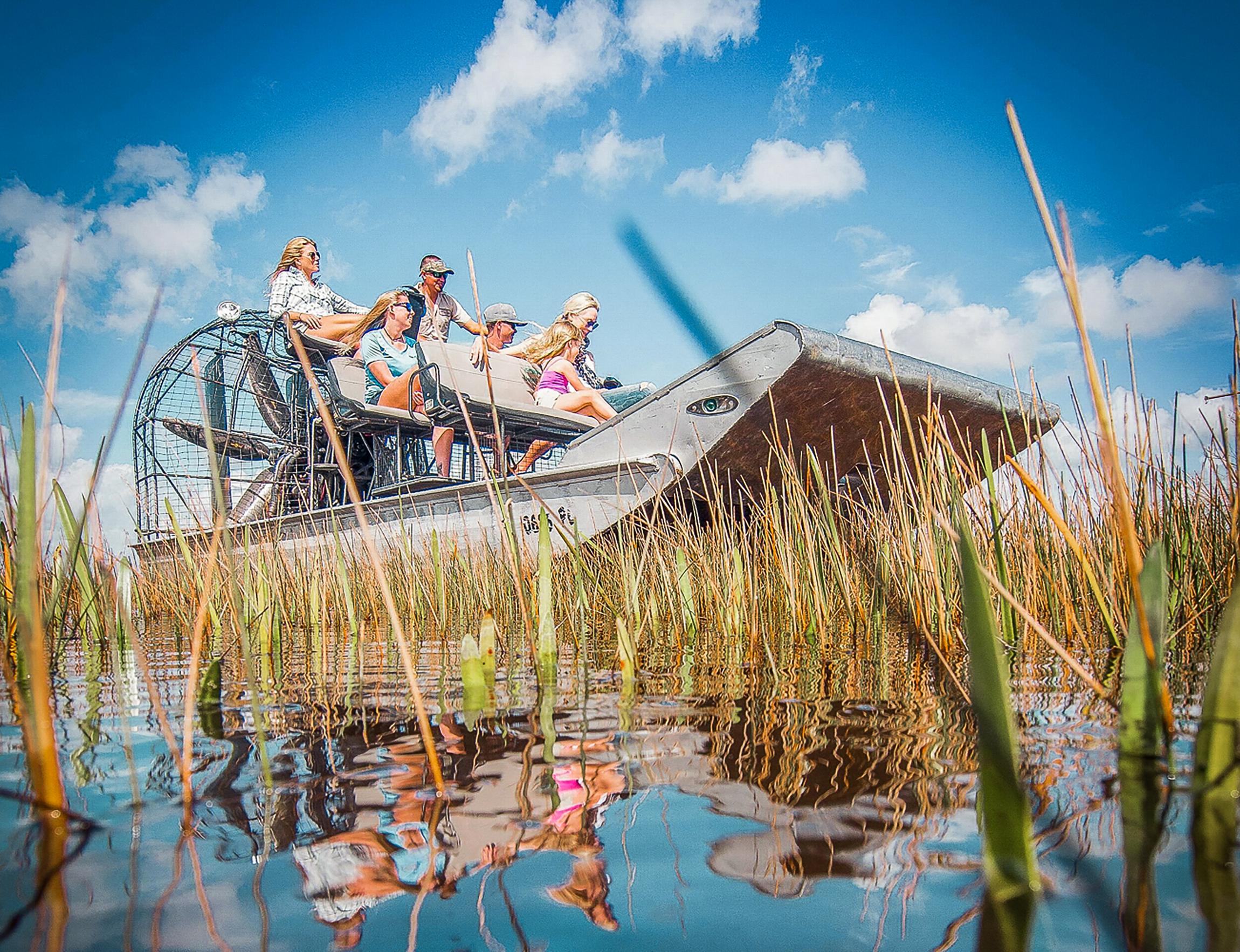
Everglades Airboat Adventure & Alligator Show
- Entry ticket
- Mobile voucher
- Valid same day
- Free cancellation
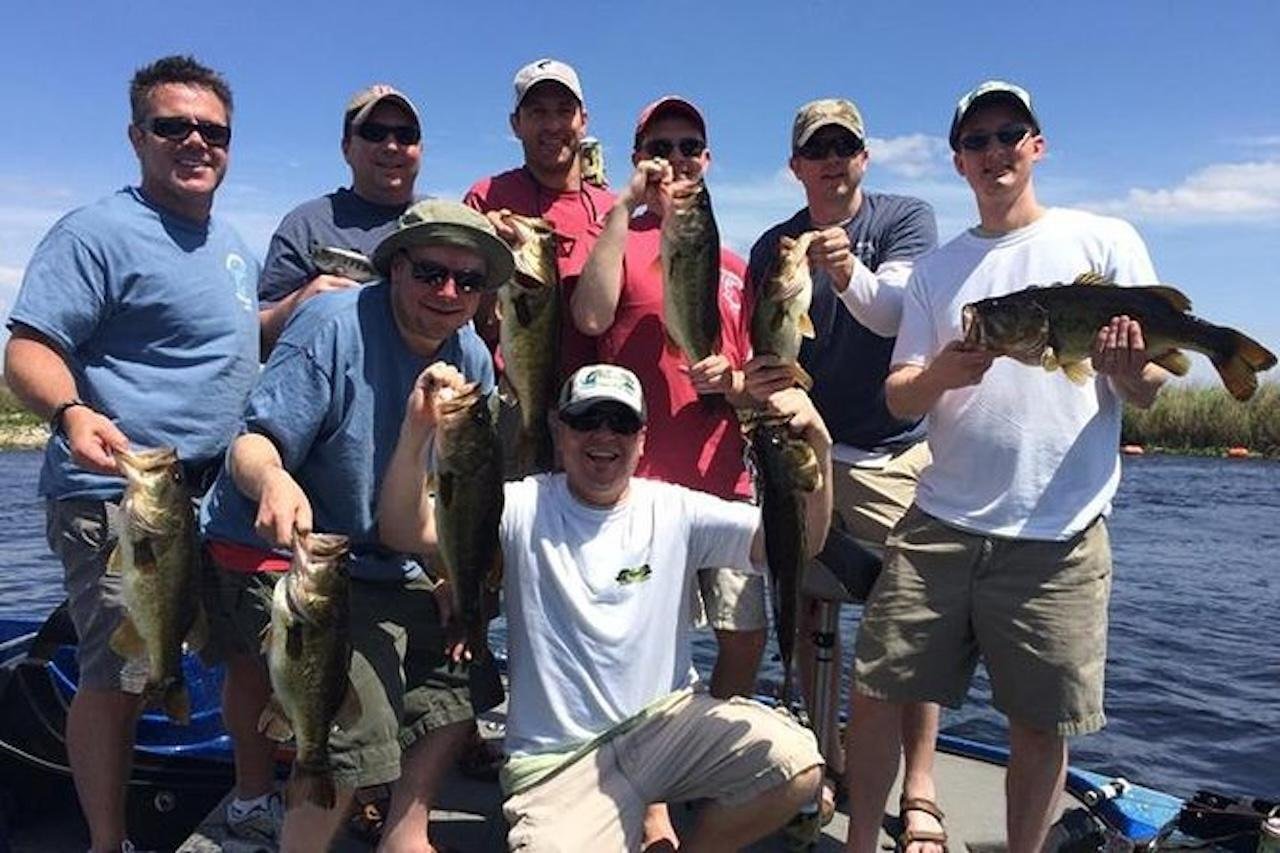
Everglades Fishing Tours — Guided Backcountry Trips & Charters
Where sawgrass meets the tide, redfish wait in silence.
Compare fares, pick the fit — all bookings are mobile-voucher and eligible for free cancellation where shown.
1 hr
6 hr
3 hr
Worth it for anglers chasing backcountry species
The park itself costs 20 USD for a 7-day pass, with a 100 USD non-resident surcharge for anyone 16 and up. A guided everglades fishing tours charter stacks several hundred dollars on top of that, so the honest question is what the boat buys you. The answer is access. Snook, redfish, and tarpon hold in mangrove creeks and shallow flats you simply cannot reach on foot, and a captain supplies the skiff, tackle, bait, and the local knowledge to put you on fish. That combination of backcountry guiding and gear is where the money goes. For a dedicated angler, one of these Everglades fishing tour trips pays off in real shots at trophy fish. For a casual visitor who mainly wants scenery, the charter cost outruns the reward, and a cheaper airboat outing covers the sightseeing instead.
Bottom line: If you came to fish the backcountry, the everglades fishing tours tickets earn their price; if you came to sightsee, skip the charter.
Hand-picked experiences loved by thousands of travelers
10 hours
Free Cancellation
Discover Florida's subtropical wetlands across four ecosystems via airboat, van, and pontoon boat
2-3 hours
Free Cancellation
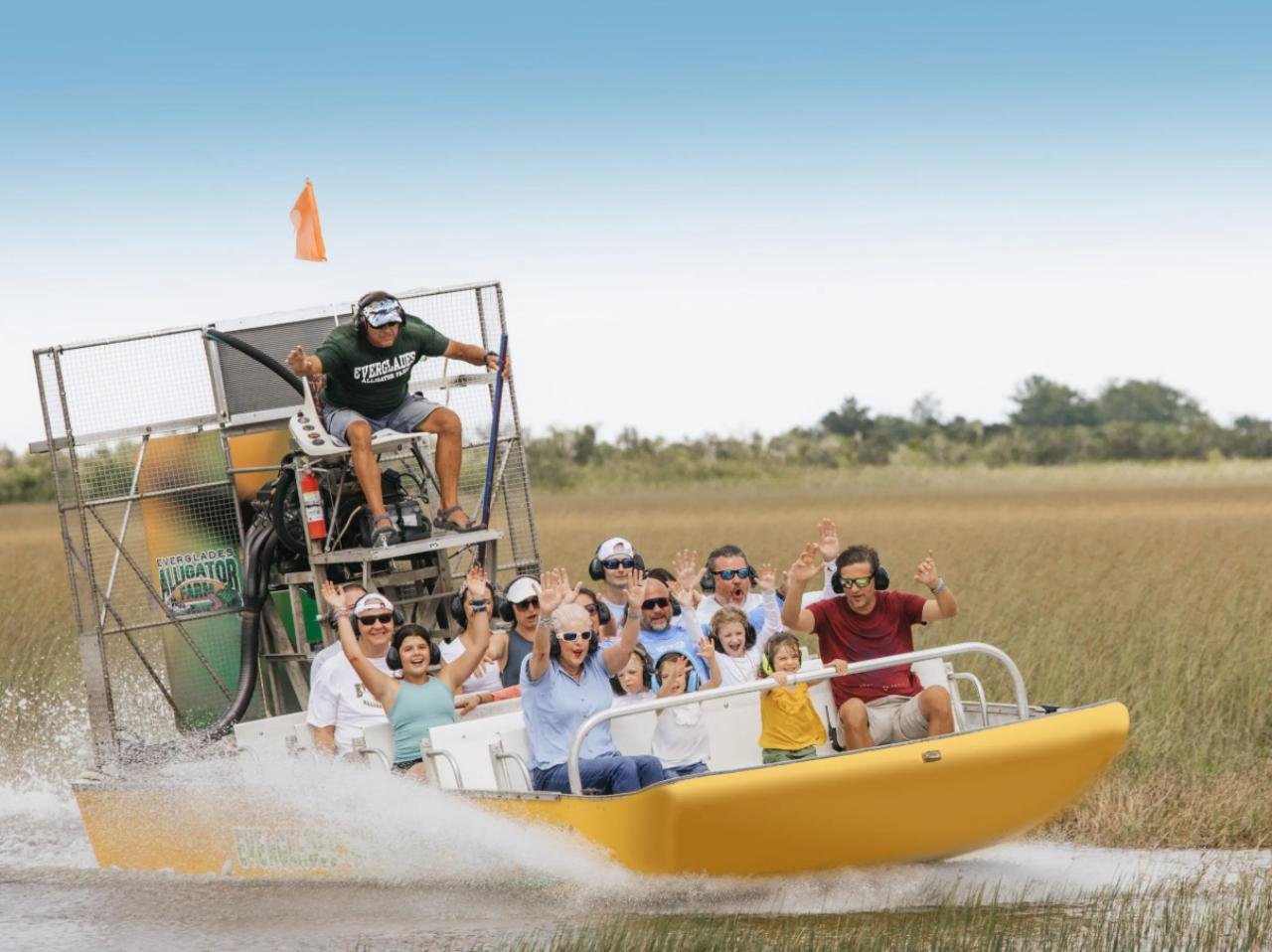
Speed across wetlands on an exhilarating airboat, then meet hundreds of gators at this working farm.
5 hours
Free Cancellation
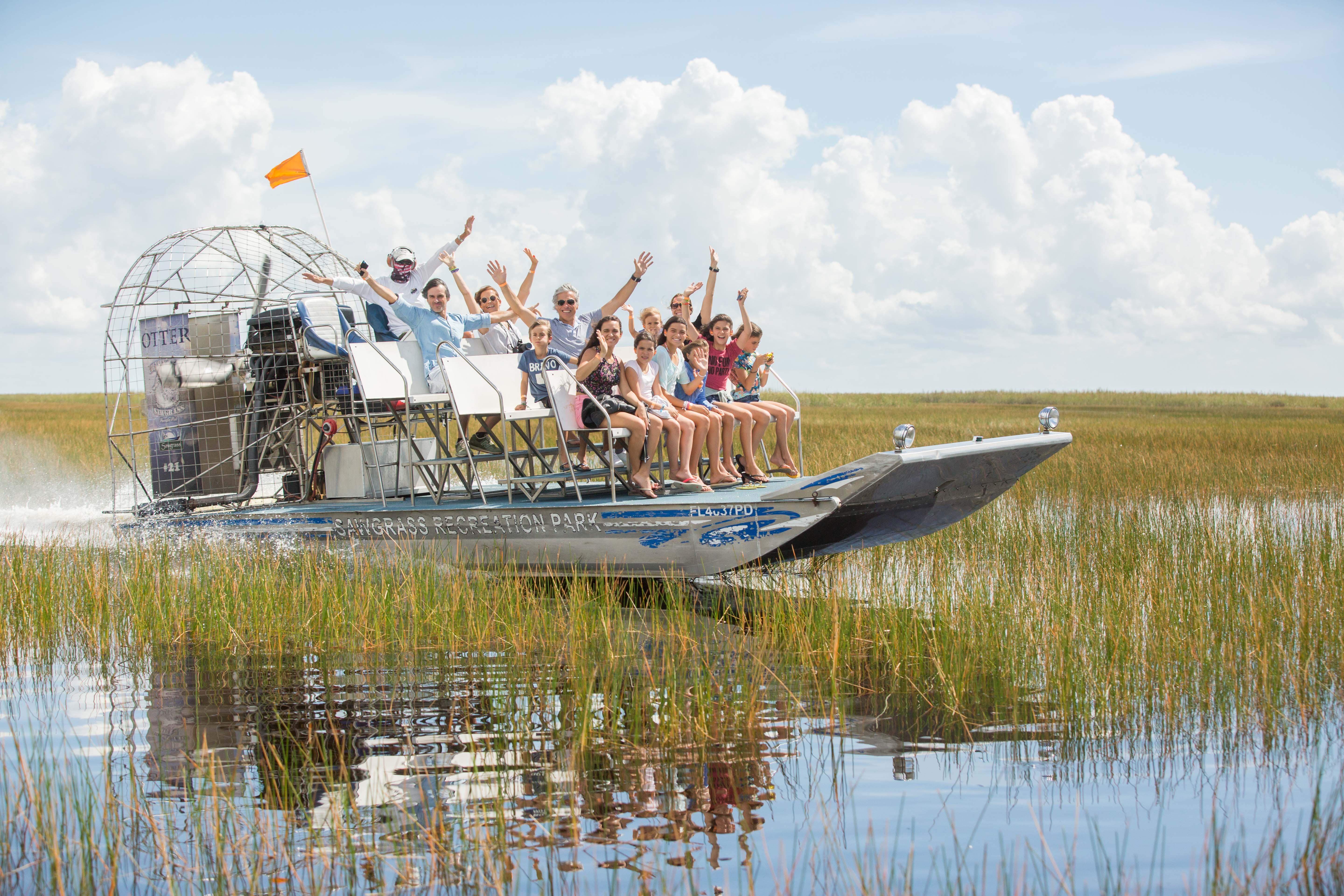
Speed across Florida's famous wetlands by airboat and meet rescued reptiles at Sawgrass Recreation Park
2 - 4 hours
Free Cancellation
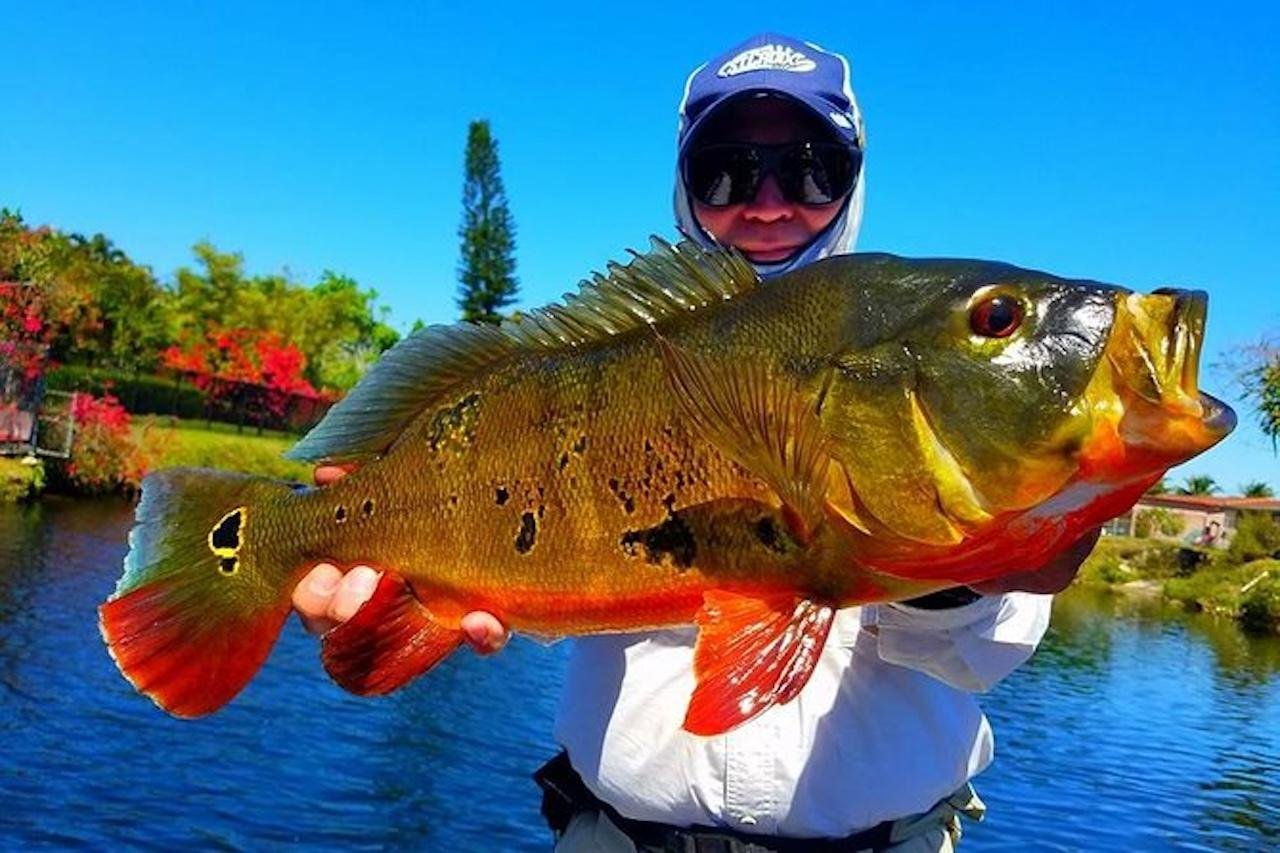
Fish for exotic peacock bass on secluded lakes with a licensed captain, just minutes from downtown Miami.
4.5 hours
Free Cancellation
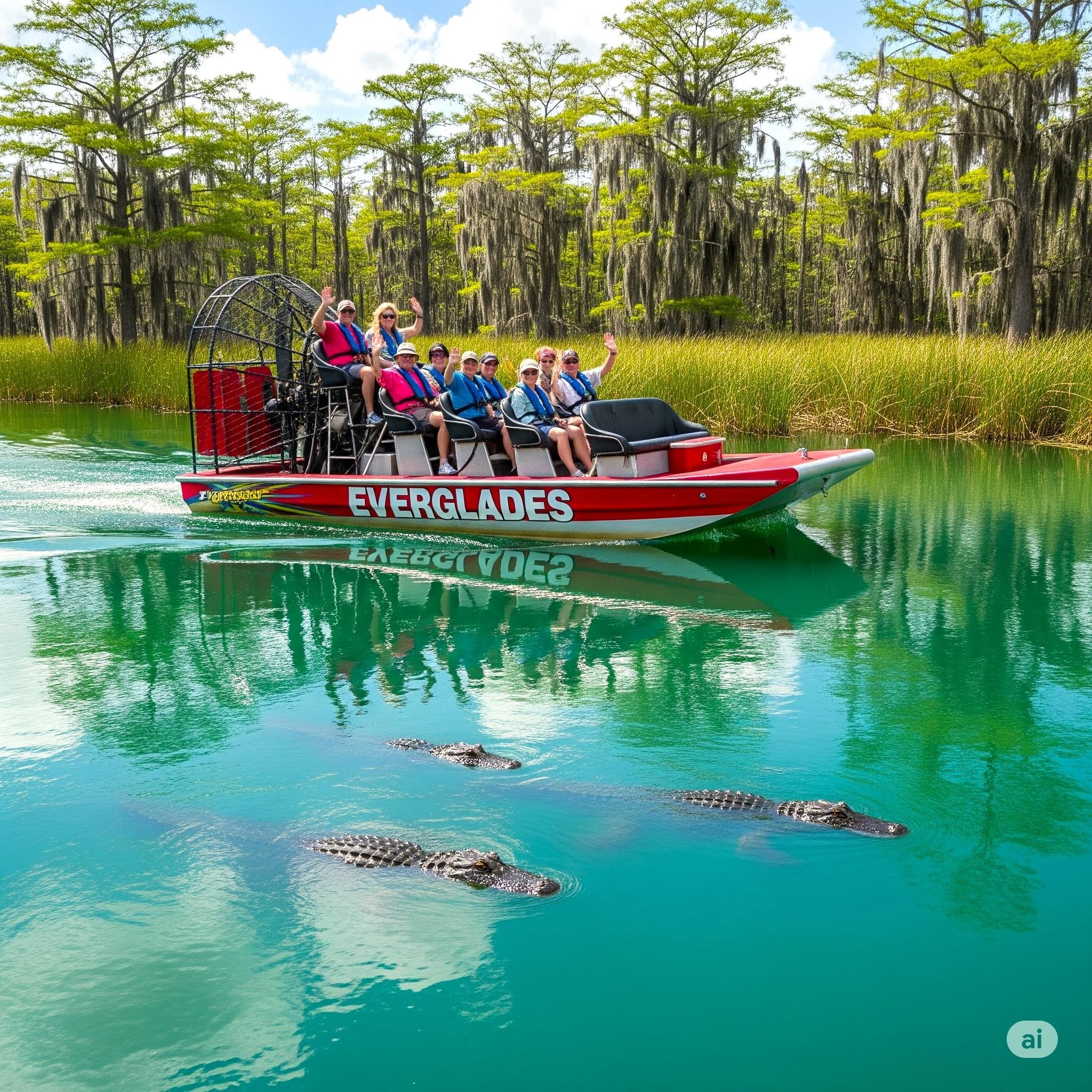
Skim across the Florida Everglades on an airboat, spot native wildlife, and explore a local animal rescue sanctuary.
A sprawling maze of mangrove islets along the Gulf Coast that forms the primary fishing grounds for backcountry charters, with over 10,000 named and unnamed islands supporting snook, redfish, and tarpon.
The largest body of water inside the park's interior, connected to Coot Bay and Tarpon Creek, known for calm, wind-protected fishing even on blustery days.
A shallow, historically significant bay near Everglades City where early 20th-century fishing settlements once thrived, now a launch point for light-tackle charters.
A 99-mile marked canoe and small-boat trail threading through mangrove tunnels and open bays, used by guides to reach remote fishing spots inaccessible by road.
The southernmost developed marina in the park, serving as departure point for Buttonwood Canal and Coot Bay charters and home to a small fleet of guide boats.
A quiet, shallow bay just north of Flamingo popular for sight-fishing snook and redfish along its mangrove edges, reachable within the first 30 minutes of a charter.
All the details about your upcoming adventure in one place
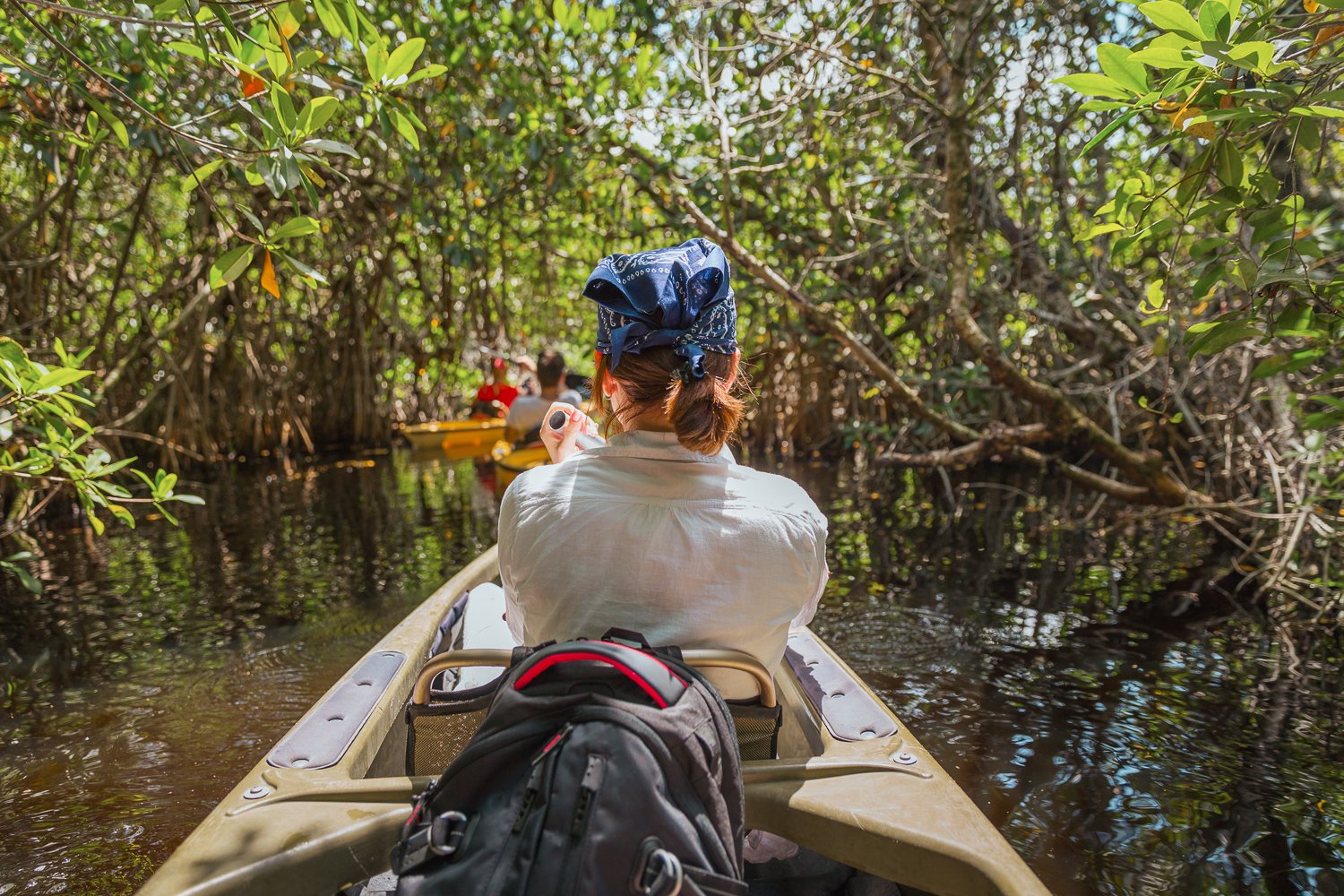
Everglades fishing tours guide anglers through mangrove tunnels and shallow backcountry flats where snook, redfish, and tarpon feed among the sawgrass channels. Licensed captains supply rods, bait, and Ten Thousand Islands charter knowledge, so everglades fishing tours tours suit both first-time visitors and seasoned sport fishers. Book everglades charter fishing trips through the National Park boundary waters for a calm, guided day on the estuary.
The Everglades is not a swamp but a river — sixty miles wide, moving barely a quarter-mile a day toward Florida Bay. Marjory Stoneman Douglas named it the "River of Grass" in 1947, correcting three centuries of misreading. What appears static is in constant, slow motion, and it is this movement that shapes the fishing waters travelers seek today. Human presence here runs deep. The Calusa and later the Seminole and Miccosukee peoples read these channels for centuries, poling dugout canoes through mangrove tunnels to reach snook, mullet, and tarpon long before any charter existed. Their knowledge of tide and season underpins much of what modern guides still practice. When Everglades National Park was dedicated in 1947 — the first American park protected for its biological rather than scenic value — it enclosed a mosaic of freshwater sloughs, brackish estuaries, and saltwater flats that few other single ecosystems can match. That mosaic is the reason everglades fishing tours occupy a distinct place among Florida landmarks. The transition zones, where fresh water meets the Gulf, create nurseries for redfish, snook, and juvenile tarpon that migrate through the same mangrove edges the Calusa once worked. Ospreys and roseate spoonbills mark the productive shallows; a passing manatee is common in the warmer channels. The subtropical wilderness spans 1.5 million acres, and its waters hold more than 300 fish species, making the backcountry fishing here a study in variety rather than a single trophy pursuit. Architecturally, the park resists monument. Its landmarks are the Ten Thousand Islands, the wind-carved cypress domes, the chickee platforms echoing Seminole design, and the low horizon interrupted only by wading birds. The Anhinga Trail near the main entrance and the Flamingo waterway to the south frame the two poles of the ecosystem — freshwater interior and coastal estuary. Between them lie the shallow grass flats that draw anglers who prize sight-casting over depth. A well-run everglades fishing tour reads this landscape as text. Guides who work these waters daily interpret water clarity, wind, and lunar tide to place a boat where fish feed, drawing on a lineage of local knowledge that predates the park itself. The excursiones de pesca en los everglades favored by Spanish-speaking visitors follow the same logic, threading the mangrove keys at dawn. Designated a UNESCO World Heritage Site, an International Biosphere Reserve, and a Wetland of International Importance, the Everglades carries three global protections few places share. Those designations are not ornamental; they reflect an ecosystem under pressure and worth understanding before the first cast lands. The fishing is only the surface of a much older, deeper story.

What appears static is in constant, slow motion, and it is this movement that shapes the waters travelers seek today.
Most Everglades fishing tours operators allow free cancellation up to 24-48 hours before departure, with a full refund if canceled within that window; the park's own 20 USD per-person 7-day entrance fee is non-refundable once purchased. Rescheduling due to weather or small-craft advisories is typically offered at no extra cost.
Weather · crowds · average price — dots go green to amber to red as each metric rises.
Dry season brings cooler air, minimal rain, and the most concentrated wildlife sightings, making it peak season for Everglades fishing tours. Expect the busiest boat ramps and advance booking recommended.;Spring (Apr-May)
Popular Everglades fishing tours operators fill up weeks ahead during peak winter and spring tarpon season, so reserve at least two weeks out.;Get licensed before you go
Everglades fishing tours work well for families once you plan around heat and boat time, since kids under 16 fish free of license requirements and the rest is mostly about pacing the day right. Most operators run half-day charters out of Homestead that suit shorter attention spans better than a full day on the water.
Anyone under 16 is exempt from a Florida fishing license, so kids can cast a line without extra paperwork or fees beyond the park entrance. Adults in the group still need their own saltwater license sorted before boarding.
Kids around 6 and up generally do best, since they can sit still through boat rides and understand basic safety instructions. Toddlers can join shorter, calmer backwater trips, but a full day on open water is a stretch for anyone under 5.
A half-day charter (roughly 4 hours) suits younger kids far better than a 6-8 hour trip, especially paired with the 07:00-09:30 arrival window when temperatures are lowest and wildlife is most active. Full-day everglades fishing tours are better saved for older kids and teens who can handle sun exposure and longer stretches without shade.
Charter boats carry child-sized life jackets, but bring your own if your kid is unusually small, since fit affects both safety and comfort on longer rides. Ask the captain in advance about airboat versus flats-boat options, since airboats are louder and less ideal for very young children.
Book the earliest slot possible, since midday heat in the Everglades gets intense fast and there's no shade out on the water. Pack reef-safe sunscreen, wide-brim hats, and extra water, and plan to be off the water before early afternoon with young kids.
Restrooms are available at the main visitor centers near the park entrance on State Road 9336, but there are none once you're out on a charter boat, so time bathroom breaks before departure. There are no dedicated baby-change facilities on boats, so a portable changing pad is worth packing for infants.
Everglades National Park itself has no restaurants, so most anglers plan meals in the gateway towns bookending everglades fishing tours: Everglades City on the Gulf side, and Homestead/Florida City near the main park entrance.
Counter-serve spot on the water in Everglades City known for stone crab and fried seafood baskets. Good post-charter lunch, busy midday in winter high season, casual enough for a quick bite in fishing clothes.
Riverside dining room dating to the 1800s near the Everglades City docks, opening late morning for lunch through early dinner. Grouper sandwich and key lime pie are the draws; suits a relaxed post-trip meal rather than a fast turnaround.
Roadside fruit stand in Homestead on the way to the park entrance, open daily from 9am with fresh tropical fruit shakes and produce. Handy pre-dawn or post-trip stop, though it opens a bit after the earliest charter departures.
Working seafood market and cafe in Everglades City serving stone crab and grouper baskets steps from the charter docks. Popular with boat crews for a straightforward post-trip meal, expect a short wait at peak lunch.
Everything you need to know for your journey
Lightweight, quick-dry clothing, a wide-brim hat, and closed-toe water shoes are recommended for comfort and safety aboard the boat.
Small dry bags and soft coolers are generally welcome on everglades fishing tours, though glass containers are restricted on some vessels.
Photography is permitted throughout the park and on most charter boats, though a waterproof case is wise given the open-water conditions.
Winter through spring (December-May) offers the coolest weather and most concentrated wildlife, while May through July is peak tarpon season for serious anglers.
Yes, most everglades fishing tours welcome families and provide youth-sized life jackets, though very young children may find multi-hour trips tiring.
Marinas at Flamingo and Everglades City's Gulf Coast Visitor Center are reachable by car from Homestead or Naples respectively, with free parking at both.
Most operators offering everglades fishing tours tickets allow free cancellation 24-48 hours before departure with a full refund.
Yes, the Anhinga Trail, Royal Palm Visitor Center, and Pa-hay-okee Overlook are all within a short drive and pair well with a half-day charter.
Pets are generally not permitted on fishing charters for safety reasons, though policies vary by individual operator.
A 0.8-mile boardwalk loop over Taylor Slough known for close-range alligator and anhinga sightings year-round.
Chain hotels and motels clustered along US-1 near the park's main entrance, convenient for early boat departures.
Join thousands of happy travelers who have discovered this incredible experience
Book Your Experience Now